RE-FRESH
Project Impacts
Environmental, public health, industrial, economic, education and societal pathways are addressed within one integrated NEXUS perspective.

01
Environmental Impact
Water availability, soil fertility and ecosystem resilience
RE-FRESH will increase the quantity and quality of available water, and a special effort will be made to perform ecotoxicological risk assessments, ensuring that developed technologies have minimal or no environmental impact.
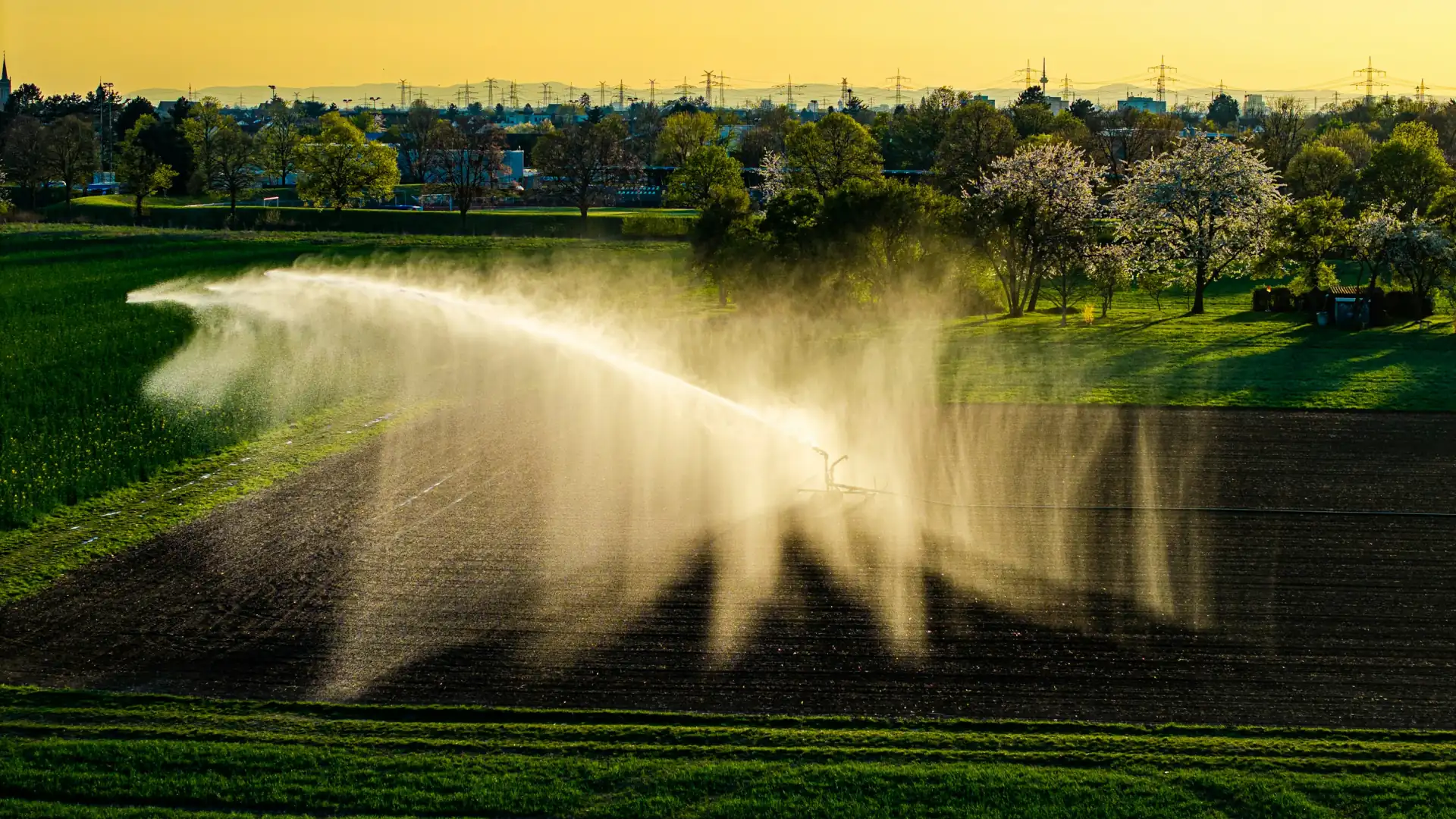
The primary benefit is a significant reduction in freshwater withdrawals through the reuse of agro-industrial effluents. Treating and valorizing these effluents will enable the production of microbial biomass with agronomic and bioenergy value, positively affecting soil fertility, reducing the need for chemical fertilizers, and alleviating pressure on water ecosystems.
The integrated application of treated effluent in fertigation practices may also aid in regenerating soil organic matter, mitigating salinization, and enhancing the resilience of local agricultural systems, as well as through the adoption of practices focused on drought-resistant cultivars.
The integrated approach used by RE-FRESH applies the NEXUS perspective, recognizing the connections between water reuse, renewable energy, soil health, and agricultural productivity in Mediterranean ecosystems.

02
Public Health Impact
Decentralized treatment with efficacy and safety at its core
The development of the PDI-SODIS system represents a significant advancement for public health in remote and resource-limited areas, offering an affordable and effective method to reduce the burden of waterborne diseases and the spread of antibiotic-resistant bacteria.
By enhancing SODIS with naturally derived photoactive materials, the approach enables decentralized treatment without the need for chemical additives or complex infrastructure.
To ensure safe application, the process includes comprehensive toxicological assessments using human cell models, verifying that treated water is not only microbiologically safe but also free from harmful side effects. This dual focus on efficacy and safety directly supports the health resilience of vulnerable communities exposed to contaminated water sources.
03
Industrial Impact
Robust, scalable and replicable options
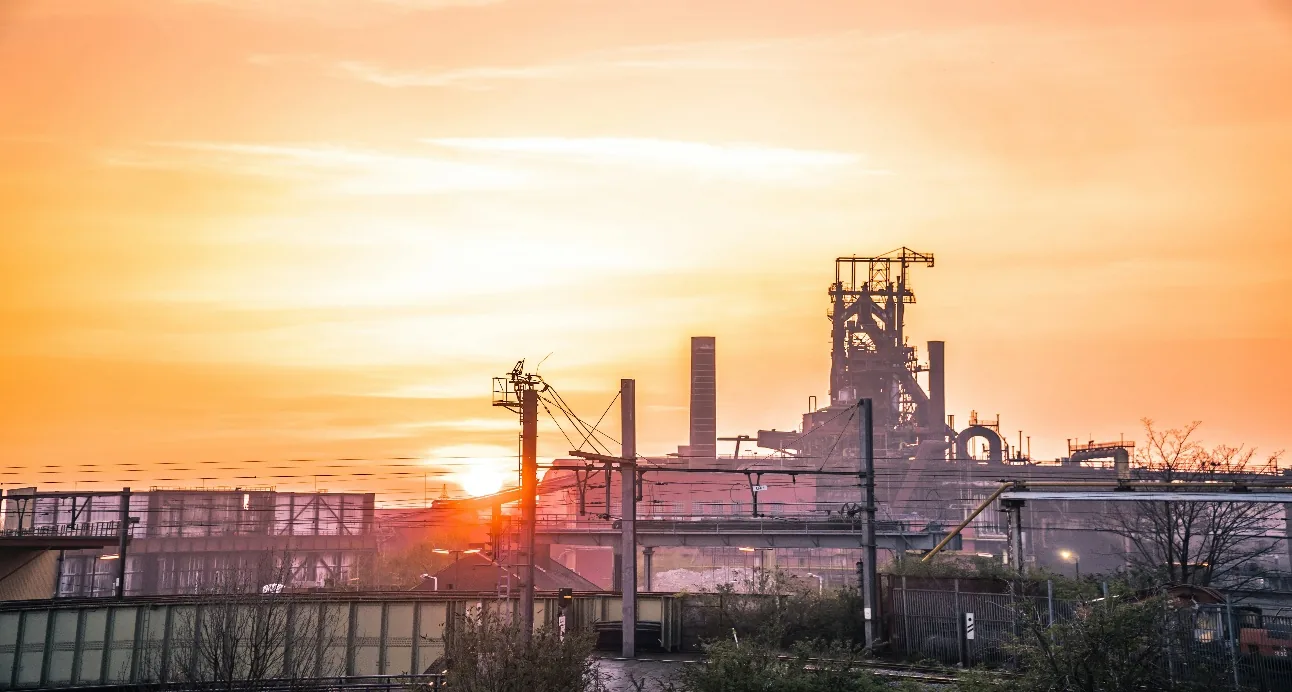
The proposed solutions will provide robust, scalable, and replicable options suitable for both high-infrastructure settings and marginal areas.
The technologies, including modular systems for anaerobic digestion, low-energy-intensive AOP treatment plants, solar photocatalysis, and advanced disinfection methods such as PDI-SODIS, are designed to ensure low operating costs, ease of maintenance, compatibility with renewable sources, and the potential for self-production of components.
This makes them suitable for adoption in even small municipalities, agricultural cooperatives, or decentralized environments.

04
Economic Impact
Monitor resource use, recovery and energy balance
The established tools of Water Footprint assessment and LCA will enable the monitoring of water consumption reduction, nutrient recovery, soil quality impact, and energy balance.
Each integrated system developed will be designed to be scalable, capable of treating large volumes of effluents (e.g., 20–40 m³/day), thereby contributing to reduced water resource use and the recovery of a significant portion of the organic nutrients present, promoting a more circular and efficient use of resources.
Biogas production will significantly cover the energy needs of agricultural and processing activities. At the same time, the use of microbial biomass will contribute to at least a partial replacement of the chemical fertilizers used today.
05
Contribution to Education
Training and international professional growth
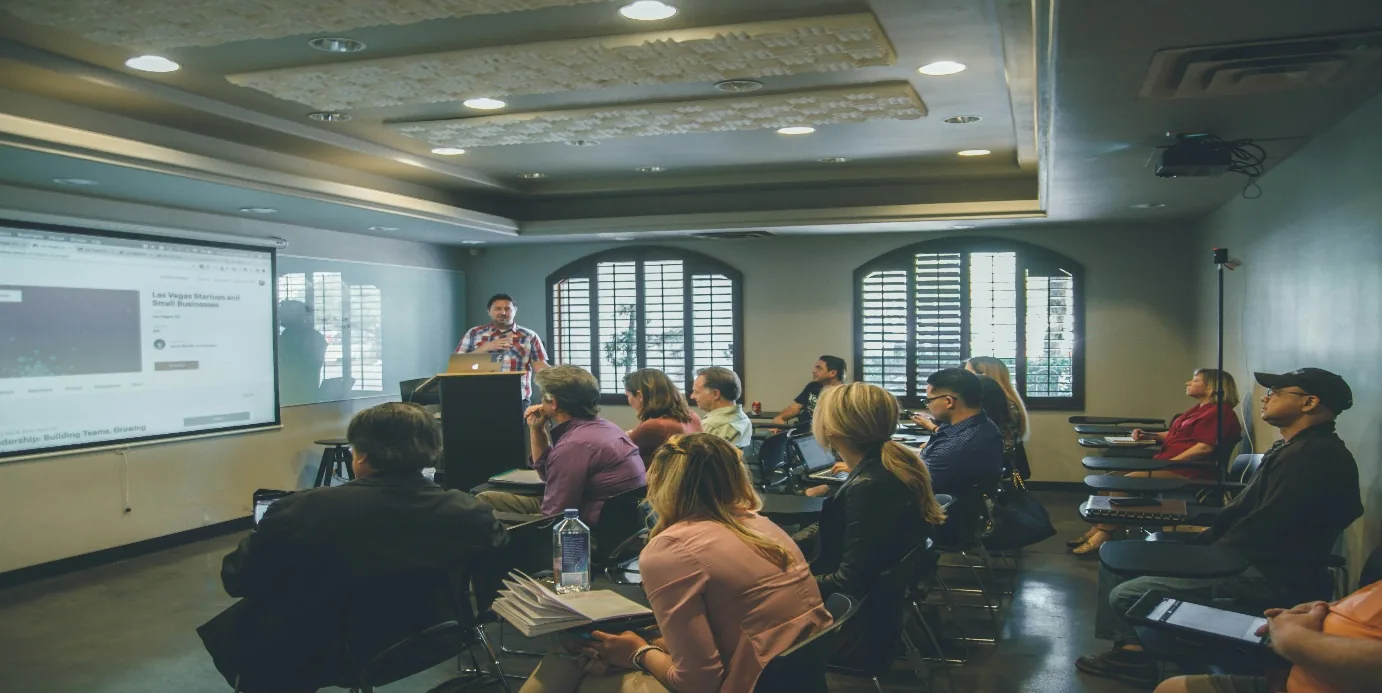
Throughout the three-year project, several temporary research positions will be created for MSc and PhD students, as well as post-doctoral researchers.
Master’s students will receive training in various fields, including microbiology, biotechnology, chemistry, agronomy, industrial chemistry, and environmental engineering.
Meetings will be scheduled involving all temporary staff, and international exchange programs will be undertaken to promote professional growth.

06
Societal Impact & Communication
Co-design, local capacity and active engagement
RE-FRESH will create opportunities for establishing micro-enterprises focused on system maintenance and management, thereby promoting local development. Moreover, project results will enhance local capacity for sustainable resource management through co-design, training, and active stakeholder engagement activities.
Participatory pathways will involve farmers, cooperatives, local authorities, and technicians, with a focus on the inclusion of women, youth, and vulnerable groups. These groups will participate in capacity building activities designed to facilitate the independent adoption of the proposed solutions.
The replicability of these solutions will be secured through the formulation of technical guidelines, operational protocols, and recommendations for their integration into local contexts. Results will be shared with stakeholders via workshops, dissemination materials, scientific publications, and meetings with public decision-makers.